
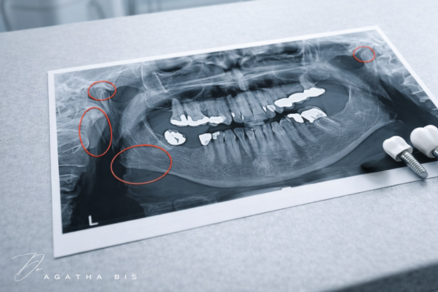
Dental implants are widely considered the gold standard for replacing missing teeth, offering incredible longevity and a natural appearance. While dental implant failure is highly uncommon, it can occur. The good news is that when it does happen, it is often entirely preventable.
At Smiles by Bis in Oakville, our approach to implant dentistry focuses heavily on proactive, biomechanical planning. Understanding the precise causes of implant failure allows us to implement strict protocols that prevent these complications from ever developing.
Understanding the Timeline: Early vs. Late Failure
When evaluating an implant’s success, we categorize potential complications based on when they occur. The causes of failure differ vastly depending on the timeline:
Early Implant Failure Early failure occurs shortly after the surgical placement, usually before the permanent crown is attached. This typically happens when the titanium post fails to fuse properly with the jawbone. Early failures are often the result of:
- Lack of Integration: The bone fails to heal securely around the implant threads.
- Post-Surgical Infection: Bacterial contamination at the surgical site disrupts the healing process.
- Surgical Trauma: Excessive heat or pressure during the placement procedure damages the surrounding bone.
Late Implant Failure Late failure occurs months or even years after the final crown has been placed and you have been actively chewing on the implant. In my practice, I find that late failures are frequently biomechanical in nature. Common causes include:
- Occlusal Overload: Applying too much bite force to the implant.
- Peri-Implantitis: A destructive inflammatory disease affecting the surrounding bone and gum tissue.
- Poor Oral Hygiene: Failing to maintain the implant properly at home.
- Uncontrolled Parafunction: Destructive habits like chronic teeth grinding or severe clenching.
The Danger of Occlusal Overload
Unlike natural teeth, which are suspended by a shock-absorbing periodontal ligament, dental implants are fused directly and rigidly into the bone. They have absolutely zero shock absorption.
When excessive force is placed on an implant, the stress is transferred directly into the jawbone and the internal implant components. This severe occlusal overload can cause profound damage, including rapid bone loss, the loosening of internal screws, or a catastrophic fracture of the porcelain crown.
To reduce this risk, we meticulously engineer the occlusal design (how your teeth bite together) before placing the final crown. If you show signs of bruxism, we will also fabricate a custom night protection appliance to shield the implant from destructive nighttime grinding.
Protecting Against Peri-Implantitis
Peri-implantitis is an inflammatory condition that specifically affects the bone and soft tissue surrounding dental implants. Similar to severe gum disease, it is caused by aggressive bacteria and can quickly destroy the bone supporting the implant, leading to total failure.
Because treating active peri-implantitis is incredibly complex, prevention is always our primary goal. At Smiles by Bis, our prevention protocol includes:
- Meticulous Hygiene: We educate our patients on advanced home care techniques.
- Regular Professional Monitoring: Routine exams and professional cleanings are non-negotiable for implant longevity.
- Controlled Restorative Contours: We design your implant crown to be perfectly smooth and easy to clean, preventing bacteria from hiding and colonizing.
Precision Planning Prevents Failure
A dental implant is an incredible investment in your structural health, and protecting that investment requires far more than just surgical skill. It requires a deep understanding of occlusion, biomechanics, and disease prevention.
Read blog – Why CBCT Imaging Matters for Dental Implants in Oakville: Planning, Not Guessing
– Written by Dr. Agatha Bis
 Book your cosmetic consultation in Oakville
 Visit us at smilesbybis.com
 Call us at (905) 338-6684