
Tooth Extraction in Oakville
We aim to keep natural teeth whenever possible. An extraction is recommended when a tooth is severely damaged, infected, loose or painful, or cannot be predictably restored.
Before any extraction, we examine the tooth, take the X-rays needed, and explain why removal is recommended and what the alternatives are. If you have pain or swelling now, see our emergency dental care page or call (905) 338-6684.

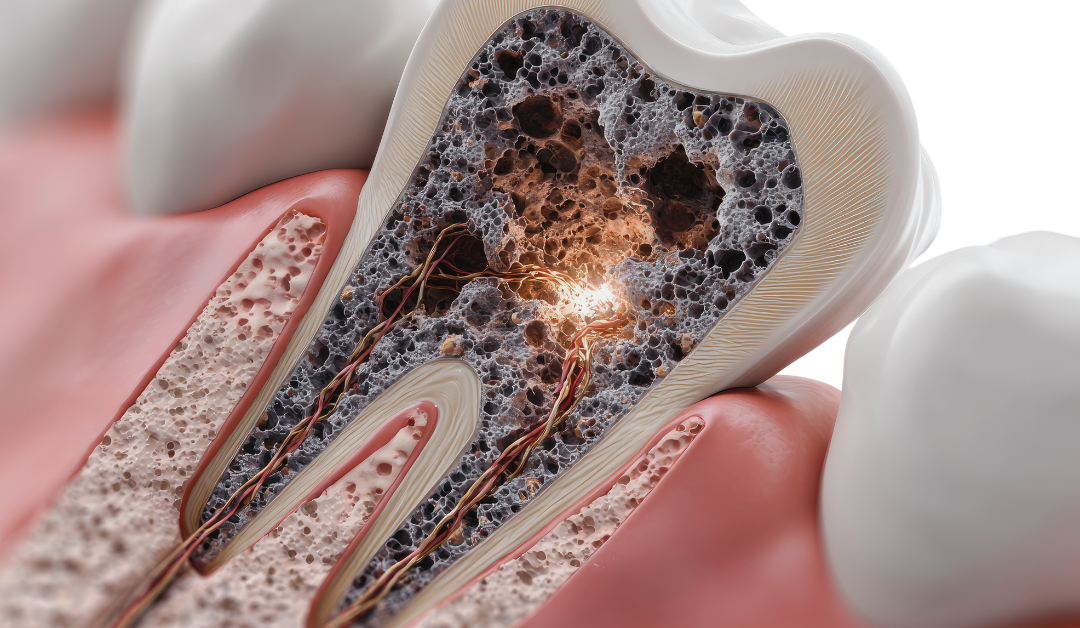
When a Tooth Extraction May Be Needed
A tooth extraction may be recommended for:
- Severe tooth damage
- Advanced decay
- Infection
- A cracked or broken tooth that cannot be restored
- Severe gum disease affecting tooth stability
- Problem wisdom teeth
- Orthodontic or treatment planning reasons
- A tooth causing ongoing pain or swelling
What to Expect
Before recommending an extraction, we examine the tooth, review X-rays, and explain the findings. If an extraction is the right choice, we explain the procedure, how the area is numbed, and the aftercare before we begin.
- The area is numbed with local anaesthetic before the tooth is removed. You may feel pressure, but you should not feel sharp pain.
- Most single extractions are completed in one visit.
- You leave with gauze in place and written aftercare instructions.
Planning the Next Step
After a tooth is removed, we discuss if and how it should be replaced. The answer depends on where the tooth is and on the health of the teeth and bone around it. Options include a dental bridge, a denture or a dental implant. We explain each option so you can decide what fits your health and your budget.
Aftercare
For the first 24 hours:
- Bite gently on the gauze for 30 to 60 minutes to control bleeding.
- Do not rinse hard, spit, smoke or drink through a straw. These can dislodge the blood clot and cause a dry socket.
- Use a cold compress on the cheek, 15 minutes on and 15 minutes off, to limit swelling.
- Eat soft foods and chew on the other side.
After the first day, rinse gently with warm salt water after meals. Call us if bleeding does not stop, if pain increases after the third day, or if swelling increases or you develop a fever.
Common Questions
Does a tooth extraction hurt?
The area is numbed before we begin. Most patients feel pressure rather than pain. Some tenderness for a few days afterwards is normal.
How long does healing take?
The gum usually closes over in one to two weeks. The bone underneath takes several months to fill in.
Do I need to replace the tooth?
Not always. A missing back tooth can let neighbouring teeth tip or drift and change how your teeth meet. We explain what happens if the tooth is not replaced so you can decide.
Is an extraction covered by insurance?
Most plans include extractions. We submit your claim electronically.
Read more: oral health articles
Concerned about a painful or damaged tooth? Book your visit with Dr. Agatha Bis.