
A loose tooth is not always a problem that begins with the tooth itself. Sometimes the real problem is underneath it.
Periodontal disease affects the gums and bone that support your teeth. As the disease progresses, that supporting structure can gradually be lost. That is why periodontal treatment is not simply about stopping bleeding gums.
One of its most important goals is helping you keep your natural teeth for as long as possible.
From Gingivitis to Periodontitis
Early gum inflammation is called gingivitis. At this stage, you may notice red, swollen or bleeding gums, but the supporting bone has not yet been destroyed.
When the disease progresses to periodontitis, the tissues attaching the gum to the tooth and the supporting bone can begin to break down.
Spaces around the teeth, called periodontal pockets, can become deeper and more difficult to clean at home. Without treatment, the disease may continue to progress.
How Does Periodontal Treatment Help?
The main objective is to control the bacterial buildup and inflammation contributing to the disease. The exact treatment depends on how advanced the condition is.
Professional Cleaning
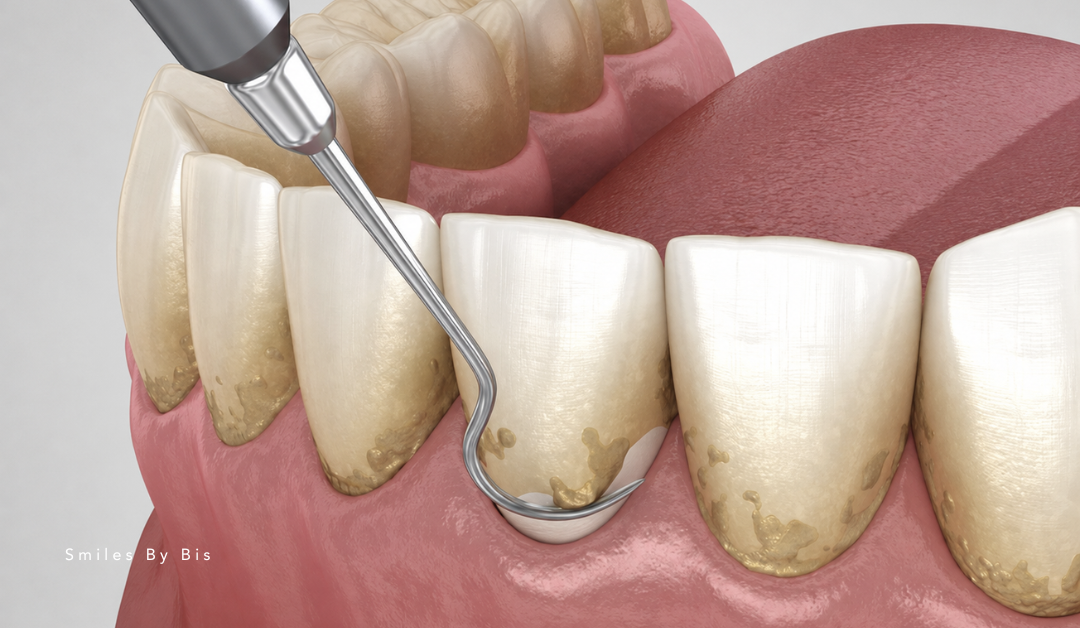
When gum disease is in an early stage, professional cleaning combined with effective home care may help the gums return to health. Plaque can be removed at home, but hardened tartar cannot be removed effectively with a toothbrush or floss.
Treatment Below the Gumline
When periodontal disease has progressed deeper around the teeth, more extensive cleaning below the gumline may be needed.
This treatment is commonly referred to as scaling and root planing or nonsurgical periodontal therapy. The goal is to remove deposits and bacterial buildup from areas that cannot be properly cleaned at home.
Periodontal Maintenance
Periodontal care does not necessarily end after the initial treatment.
Patients with periodontitis may require ongoing periodontal maintenance at intervals recommended according to their individual condition. These visits help monitor the gums, control buildup and identify changes early.
Referral to a Periodontist
More advanced or complex cases may require care from a periodontist, a dentist with additional training in diagnosing and treating periodontal disease.
Depending on the situation, additional periodontal procedures may be considered.
Can Periodontal Treatment Reverse Bone Loss?
This is an important distinction.
Gingivitis can often be reversed.
Periodontitis involves permanent loss of supporting tissues and bone. Treatment can control the infection and inflammation and slow or stop further progression, but it does not simply make all lost bone grow back.
Certain regenerative periodontal procedures may be appropriate in selected cases, but they are not possible for every tooth or every type of bone loss.
The earlier periodontal disease is identified, the more supporting tissue there may be left to protect.
Can Treatment Tighten Loose Teeth?
It depends on why the tooth is loose and how much support remains.
Controlling periodontal inflammation may improve the health of the tissues around a tooth, but severely advanced bone loss can limit what can be achieved.
This is why a loose tooth should be evaluated rather than waiting to see whether it improves on its own.
What Happens If Gum Disease Is Not Treated?
Untreated periodontitis can continue to damage the tissues and bone supporting the teeth.
Possible consequences include:
- Increasing gum recession
- Deeper periodontal pockets
- Tooth mobility
- Changes in the bite
- Gum infections
- Eventual tooth loss
Because periodontal disease can progress with little or no pain, regular examinations are important.
Treatment Is Only Part of the Solution
Professional periodontal treatment cannot replace daily home care. Long-term management often depends on:
- Effective brushing
- Daily interdental cleaning
- Following the maintenance schedule recommended by your dental team • Avoiding smoking
- Managing relevant health conditions
- Monitoring changes in the gums
Treatment in the dental office and care at home work together.
Periodontal Care in Oakville
The goal of periodontal treatment is not simply cleaner teeth.
Gum Health / Periodontal Care Oakville
It is to control disease and protect the gums and bone that support your natural teeth.
At Smiles by Bis in Oakville, our dental team can assess your periodontal health, measure the supporting tissues and determine whether routine preventive care or additional periodontal treatment may be needed.
If your gums bleed frequently, your teeth feel loose or you have been told you have periodontal disease, an assessment can help you understand the next step.
Call 905-338-6684 to book a periodontal assessment in Oakville.