
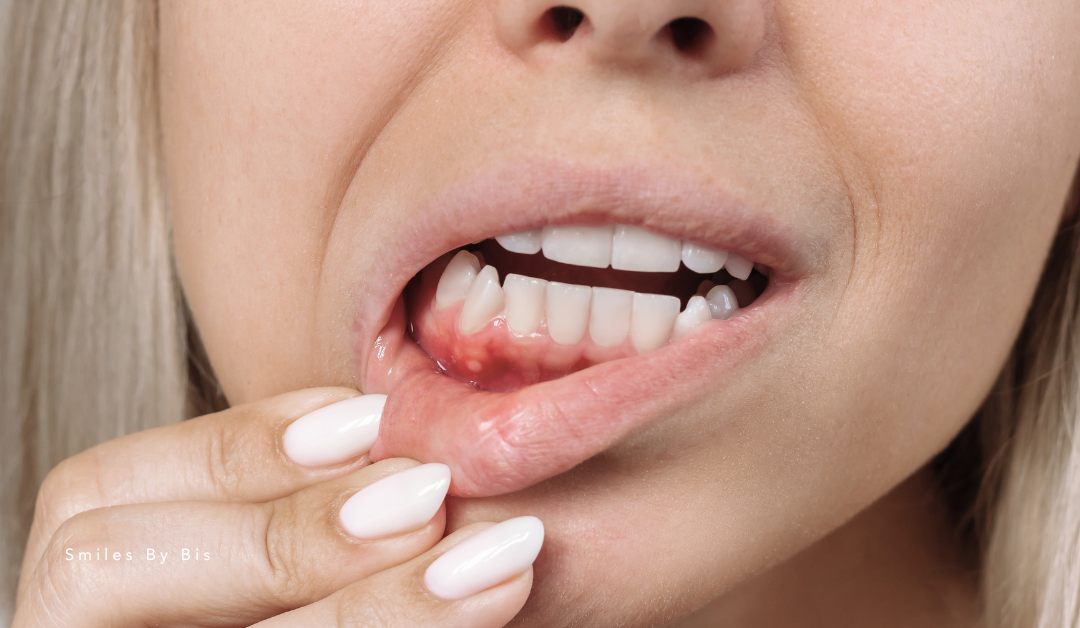
Gum disease does not always hurt.
In fact, one of the reasons periodontal disease can progress unnoticed is that the early signs may seem minor: a little blood when you floss, gums that look slightly red or persistent bad breath. But healthy gums should not routinely bleed. Recognizing changes early gives your dental team an opportunity to assess what is happening before more significant damage develops.
What Is Gum Disease?
Gum disease begins when plaque builds up around the teeth and gums. In its early stage, called gingivitis, the gums may become inflamed, red, swollen or more likely to bleed. At this stage, the condition can often be reversed with improved oral hygiene and professional dental care. If inflammation progresses deeper into the tissues supporting the teeth, it can develop into periodontitis. Periodontitis can cause loss of the bone and tissues that hold your teeth in place.
1. Your Gums Bleed When You Brush or Floss
One of the most common warning signs is bleeding.
You may notice:
- Blood on your toothbrush
- Pink when you rinse
- Bleeding while flossing
- Blood around certain teeth
Occasional irritation can happen, but gums that repeatedly bleed deserve attention.
Do not simply stop flossing because you see blood. Have your gums assessed so you understand why it is happening.
2. Your Gums Look Red or Swollen
Healthy gums generally appear firm rather than puffy or inflamed. Changes in colour, swelling or tenderness may indicate inflammation.
These changes can be subtle, particularly in the early stages, which is why regular dental examinations are important even when nothing hurts.
3. You Have Persistent Bad Breath
Bad breath can have many causes.
But persistent bad breath that does not improve with brushing, flossing or tongue cleaning can sometimes be associated with plaque, bacteria and gum disease.
Gum Health / Periodontal Care Oakville
Rather than continually masking it with mouthwash or mints, consider having the cause evaluated.
4. Your Gums Are Receding
If your teeth appear longer than they used to, your gumline may have changed.
Gum recession can occur for different reasons and does not automatically mean you have periodontal disease.
However, because recession can expose the root surface and may occur alongside periodontal problems, it should be evaluated by a dental professional.
5. Your Teeth Feel Loose or Different
Advanced periodontal disease can damage the tissues and bone supporting the teeth. As support is lost, teeth may begin to feel loose or change position.
You may also notice that your bite feels different when your upper and lower teeth come together.
These changes require professional assessment.
6. Your Gums Are Tender or Uncomfortable
Gum disease can often progress without pain, but some patients experience tenderness, swelling or discomfort.
Do not use the absence of pain as proof that your gums are healthy. Your dentist and dental hygienist can identify signs that may not be obvious at home.
Why Early Detection Matters
The difference between early and advanced gum disease is important. Gingivitis affects the gums and can often be reversed.
Periodontitis involves loss of the supporting tissues and bone. Once that support has been lost, treatment focuses on controlling the disease and preventing further progression.
This is why waiting until a tooth becomes loose is not the ideal time to start thinking about your gums.
How Is Gum Disease Diagnosed?
Your dental team may assess:
- The appearance of your gums
- Bleeding
- Plaque and tartar buildup
- The depth of spaces around your teeth
- Gum recession
- Tooth mobility
- Bone levels on dental X-rays when needed
The goal is to understand both whether gum disease is present and how advanced it may be.
Gum Disease Assessment in Oakville
If your gums bleed frequently, appear swollen or have started to recede, do not assume it is simply normal.
At Smiles by Bis in Oakville, our dental team can evaluate your gums and supporting tissues and explain whether preventive care, periodontal treatment or continued monitoring may be appropriate.
Healthy teeth depend on healthy supporting tissues.
Call 905-338-6684 to book a gum health assessment in Oakville.