
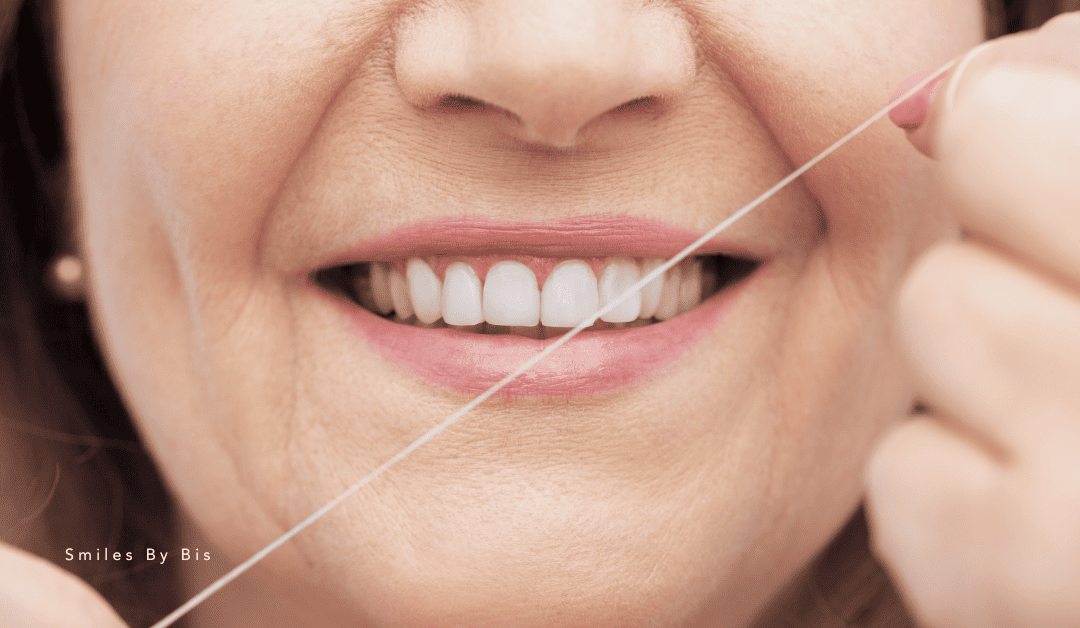
A dental crown or bridge may be made from restorative materials, but the teeth and gums around it are still natural.
That means your daily oral hygiene remains just as important after treatment. Good maintenance helps protect both the restoration and the teeth supporting it.
Brush Your Crown or Bridge Every Day
Brush at least twice daily as recommended for your natural teeth.
Pay attention to the area where the restoration meets the gumline because plaque can accumulate around these margins.
A crown cannot develop a cavity, but the natural tooth underneath it can.
Clean Between Your Teeth Daily
Cleaning between your teeth is particularly important around crowns. Floss gently along both sides of the restored tooth and around the gumline.
If you have difficulty cleaning a particular area, ask your dental team to demonstrate the best technique for your restoration.
How Do You Clean Under a Dental Bridge?
This is where bridge care is different from caring for a single crown.
Because the replacement tooth in a traditional bridge is connected to the supporting crowns, regular floss cannot simply pass down between each tooth in the usual way.
You may need:
- A floss threader
- Specialized bridge floss
- An interdental brush
- Another cleaning aid recommended by your dental team
The goal is to clean underneath the artificial tooth and around the supporting teeth every day.
Your dentist or hygienist can show you how.
Be Careful With Very Hard Foods and Objects
Crowns and bridges are designed for normal chewing, but they are not indestructible. Avoid using your teeth to:
- Chew ice
- Open packaging
- Crack very hard foods or objects
- Bite pens or other non-food items
These habits can damage restorations as well as natural teeth.
Don’t Ignore Grinding or Clenching
If you frequently grind or clench your teeth, your restorations may experience additional forces.
You may notice wear, small fractures, repeated damage or changes in the way your teeth contact each other.
Rather than assuming the restoration itself is the only problem, have the forces and your overall bite evaluated.
Keep the Supporting Teeth Healthy
This is especially important with a dental bridge.
A bridge relies on its supporting teeth. If one develops significant decay, gum disease or structural damage, the entire restoration can be affected.
Daily cleaning around and underneath the bridge helps protect those teeth.
Continue Regular Dental Visits
A crown or bridge can look completely normal from the outside while changes are developing around the tooth or gums.
During your dental examinations, your dental team can assess:
- The condition of the restoration
- The health of the supporting teeth
- The surrounding gums
- Your bite
- Areas that are difficult to clean
- Signs of wear or damage
Professional cleanings also help maintain the tissues around your restorations.
When Should You Call Your Dentist?
Schedule an assessment if:
- Your crown or bridge feels loose
- Part of the restoration has broken
- It hurts when you bite
- You develop new sensitivity
- Your gums repeatedly bleed around the area
- Food continually becomes trapped
- Your bite suddenly feels different
Do not try to glue a loose crown or bridge permanently back into place yourself. Your dentist should first determine why it became loose.
Caring for Crowns and Bridges in Oakville
Dental restorations work best when the teeth and tissues supporting them remain healthy.
At Smiles by Bis in Oakville, our dental team can help you maintain your existing crowns and bridges and assess any restoration that feels uncomfortable, loose or different.
Good dentistry does not stop when the restoration is placed. Ongoing care matters too.
Call 905-338-6684 to book your dental appointment in Oakville.