
Wisdom teeth are surrounded by a surprising amount of misinformation.
You may have heard that everyone needs them removed, that they will automatically push your other teeth forward or that you should wait until they hurt before seeing a dentist.
The reality is more individual.
Let’s look at some common wisdom teeth myths and what patients should know instead.
Myth #1: Everyone Needs Their Wisdom Teeth Removed
Not necessarily.
Some people have wisdom teeth that erupt normally, remain healthy and can be cleaned effectively.
In these cases, removal may not be necessary.
Other patients have wisdom teeth that become impacted, repeatedly infected, decayed or difficult to maintain. Those teeth may benefit from extraction.
The important question is not simply whether you have wisdom teeth. It is whether those teeth are healthy and how they are affecting the rest of your mouth.
Myth #2: If My Wisdom Teeth Do Not Hurt, They Are Fine
Pain is an important warning sign, but it is not the only sign of a problem.
A wisdom tooth can sometimes develop decay, gum problems or affect a neighbouring tooth without causing significant discomfort at first.
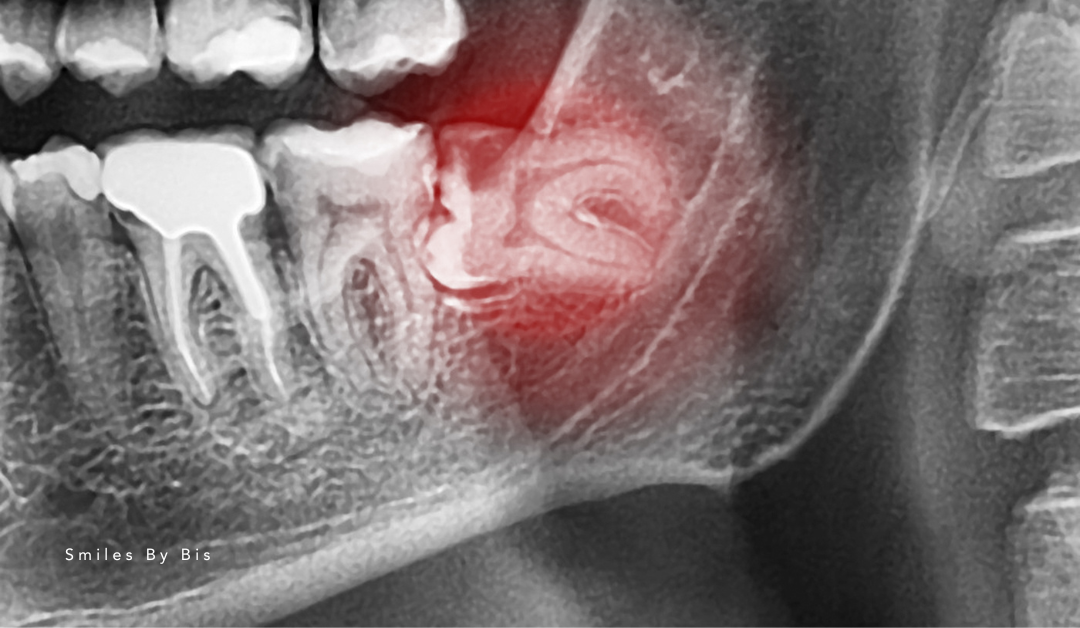
Dental examinations and X-rays can help identify problems that are difficult to see or feel on your own.
This is also why waiting for severe pain is not always the best strategy.
Myth #3: Wisdom Teeth Automatically Push Your Front Teeth Out of Alignment
Changes in tooth alignment can happen for many reasons over time.
The presence of wisdom teeth alone does not mean that they are automatically responsible for crowding in the front teeth.
If your teeth are shifting, your dentist should assess the whole situation rather than assuming wisdom teeth are the only cause.
Myth #4: Wisdom Teeth Removal Is Always a Major Surgery
Not every extraction is the same.
A fully erupted wisdom tooth may sometimes be removed relatively simply.
A tooth that is deeply impacted beneath the gum or bone may require a more involved surgical procedure.
Your dentist can use an examination and dental imaging to determine the position of the tooth and explain what type of extraction is expected.
Myth #5: Wisdom Teeth Extraction Is Always Extremely Painful
Before an extraction, local anesthetic is used to numb the treatment area.
Patients may notice pressure or movement during the procedure, but the goal is to keep the area appropriately numb.
Afterward, some soreness, swelling and tenderness are normal. The amount varies considerably depending on the tooth, the procedure and the patient.
If you are worried about discomfort or dental anxiety, discuss those concerns with your dentist before treatment.
Myth #6: Once the Tooth Is Removed, You Do Not Need to Think About It Again
The extraction itself is only one part of treatment.
Proper aftercare is important to protect the extraction site and support normal healing.
Following instructions about eating, oral hygiene, smoking, physical activity and medications can help reduce the risk of complications.
You should also contact your dental office if symptoms become significantly worse rather than gradually improving.
So, Do Your Wisdom Teeth Need to Come Out?
There is no single answer that applies to every patient.
Some wisdom teeth should be removed.
Some can be monitored.
And sometimes the best decision changes over time.
That is why the first step should be an assessment rather than making a decision based on what happened to a friend, family member or something you saw online.
Have Questions About Your Wisdom Teeth?
If you are unsure whether your wisdom teeth need treatment, Smiles by Bis in Oakville can assess their position and health and help you understand your options.
Our approach starts with understanding what is happening before deciding what treatment makes sense.
Call 905-338-6684 to book your dental appointment in Oakville.