
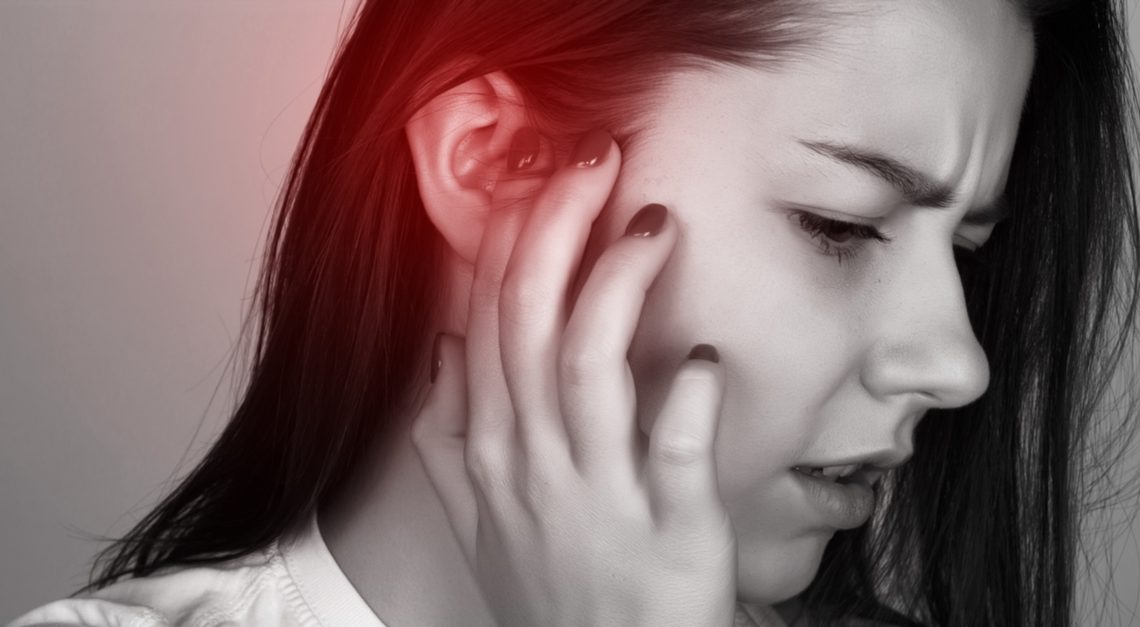
TMJ stands for Temporo-Mandibular Joint; the joint is located in front of the ear and connects the lower jaw to the skull. The TMJ is complex. It is capable of moving forward, backward, side to side, and is responsible for helping you talk, chew, swallow, and yawn.
The TMJ functions in many ways, and as a result, there are many ways to cause it stress or injury. While it’s essential to keep the TMJ in good health, factors like genetics, arthritis, a misaligned bite, jaw injury, and improper TMJ treatment can cause chronic pain.
TMJ Pain vs TMJ disorder Pain
When people say they have TMJ or a TMJ disorder, they are referring to TMJ Syndrome, which is Temporo-Mandibular Joint Syndrome also known as TMJ disorder – Temporo-Mandibular Disorder.
There are a number of causes for TMJ pain and TMJ disorder. Common ones include car or sporting accidents, hits to the face, changes in bite from dental work or tooth extraction, grinding, clenching, and hormonal changes.
Some TMJ symptoms include:
- TMJ pain or jaw pain
- Jaw popping or clicking
- Limitations to opening the mouth
- Ringing in ears (tinnitus)
- Migraines and headaches
- Problems with chewing
- Locking of the jaw
If you are experiencing any of the above symptoms, it may be time to have the jaw joint assessed by a dentist who treats TMJ problems.
TMJ disorder Diagnosis: Find a Dentist Who Treats TMJ
We often get patients that have suffered for years with TMJ pain due to improperly made nightguards or lack of a proper diagnosis.
There are two main things that you can do to help ensure the proper diagnosis and treatment of TMJ disorder.
- Let your dentist know about ALL of your symptoms and the history of past dental work.
- Work with a dentist that has post-graduate training and experience in dealing with TMJ disorder specifically, to ensure that TMJ issues are adequately diagnosed upfront.
When I did my post-graduate training at the Las Vegas Institute, I discovered many issues with the current treatment of TMJ disorder. The Las Vegas Institute (LVI) teaches advanced level training, allowing a dentist to master patient diagnosis and treatment planning. It also addresses a myriad of difficult cases that need differential diagnoses involving multiple disciplines.
TMJ disorder Treatment
TMJ disorder can pose difficulty in treatment because it is often related to a collapsed bite and the dentist’s inability to accurately assess and treat it. Treatment options will vary from patient to patient. For more information about possible TMJ disorder treatments try:
Types of TMJ Treatment
Home remedies for TMJ jaw pain
“I received TMJ treatment but I’m still in pain or it feels worse. Why?”
A night-guard is a standard and common treatment for TMJ disorder. It’s crucial that the nightguard is fabricated in a particular way to help relieve your TMJ symptoms. If crucial components are missing on the nightguard, it won’t help your TMJ disorder and can even make you feel worse.
If you are currently suffering from TMJ pain, TMJ disorder, or related symptoms contact our office for a consultation. Call 905-338-6684 or fill out the form below to get in touch with holistic dentist, Dr. Agatha Bis.