
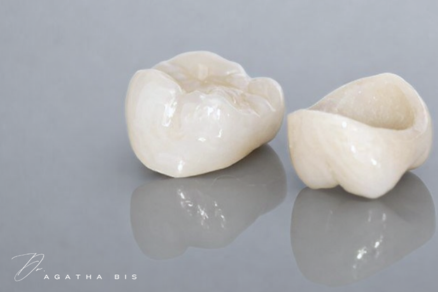
When patients search for dental crowns in Oakville, they are usually seeking a solution to repair a broken, painful, or weakened tooth. However, in advanced restorative dentistry, placing a crown is never simply about covering a tooth.
Every time we introduce a new restoration into your mouth, it fundamentally changes your force distribution, occlusal (bite) contact, overall bite dynamics, and the long-term prognosis of that tooth. A meticulously designed crown can protect a vulnerable tooth for decades, while an improperly designed one can trigger a cascade of instability, post-operative sensitivity, or catastrophic fracture.
At Smiles by Bis, we believe that world-class restorative treatment begins with a comprehensive diagnosis, not just the physical preparation of the tooth.
What Is a Dental Crown?
A dental crown is a highly customized restoration engineered to fully encapsulate a damaged or structurally compromised tooth. We typically recommend crowns when a tooth has a massive failing filling, exhibits deep structural cracking, or has undergone root canal treatment. They are also necessary when severe enamel wear is present, a tooth has fractured, or a dental implant requires its final restoration.
In our practice, the primary purpose of a crown is profound structural reinforcement – not simply aesthetics.
The Most Overlooked Factor in Crown Success: Occlusion
A dental crown does not exist in isolation; it becomes an integral part of your mouth’s dynamic force system. A crown must function seamlessly within your existing bite.
If your occlusion is not rigorously evaluated before the crown is placed, the results can be highly destructive. Excessive bite force may quickly fracture the new porcelain, trigger chronic sensitivity, or cause adjacent teeth to shift out of alignment. Furthermore, a poorly balanced crown can increase jaw discomfort and even cause dental implants to overload and fail.
Before placing dental crowns in Oakville, we perform a thorough evaluation that includes assessing your existing bite contacts, wear patterns, and vertical dimension. We also check for parafunction (such as chronic clenching or grinding), evaluate muscle tenderness, and ensure the health of your temporomandibular joints (TMJ). Precision in your occlusion is what ultimately determines the longevity of your restoration.
Biomechanical Material Selection
Modern dental crowns are fabricated from advanced, high-performance materials:
- Porcelain or Ceramic: Highly esthetic and naturally translucent, making them highly suitable for anterior (front) teeth.
- Zirconia: Exceptionally strong and durable, making it the appropriate choice for posterior (back) load-bearing areas.
- Porcelain-Fused-to-Metal (PFM): A highly durable option that is used selectively.
Our material selection process is strictly biomechanical, not based on cosmetics alone. The ideal material for your smile depends on the tooth’s location in the mouth, your specific bite forces, the aesthetic requirements of your smile, and the anatomical space available.
Our Precision Diagnostic and Treatment Protocol
Before placing a crown in our Oakville clinic, our diagnostic protocol may include state-of-the-art digital scanning (eliminating the need for messy traditional impressions), photographic documentation, and radiographic assessment. We also conduct a comprehensive occlusal analysis and evaluate the adjacent and opposing teeth.
The dental crown process involves several meticulous steps:
- Comprehensive Evaluation: We must accurately determine exactly why the tooth failed in the first place before we attempt to restore it.
- Tooth Preparation: The damaged structure is conservatively shaped to safely support the new crown.
- Digital Impression: A precise 3D scan perfectly captures your unique tooth anatomy.
- Temporary Crown: This protects the prepared tooth while your final restoration is being fabricated.
- Final Crown Placement: The permanent crown is bonded into place and carefully adjusted to ensure a perfectly balanced occlusion.
The ultimate goal of our design is controlled, even contact—not heavy, destructive contact.
When Is a Crown Necessary vs. a Filling?
Patients often wonder why a large filling isn’t enough. The distinction is simple: a filling restores lost tooth structure, whereas a crown protects compromised structure. If your remaining tooth walls are thin, fractured, or heavily restored, a filling simply cannot provide adequate reinforcement. Choosing the correct, structurally sound restoration from the start prevents the frustration of repeat failures.
Longevity and Protection
With proper biomechanical design and excellent home maintenance, our crowns can last 10 to 20 years or even longer. This remarkable longevity depends on maintaining bite stability, managing parafunctional habits, excellent hygiene, correct material selection, and regular monitoring at our clinic.
Ultimately, a dental crown is a profound investment in your structural preservation. It should restore your structural integrity, maintain proper bite function, protect your surrounding teeth, and preserve your long-term oral health.
Read blog –Dental Crowns vs. Onlays in Oakville: A Structural Comparison
– Written by Dr. Agatha Bis
 Book your cosmetic consultation in Oakville
 Visit us at smilesbybis.com
 Call us at (905) 338-6684